

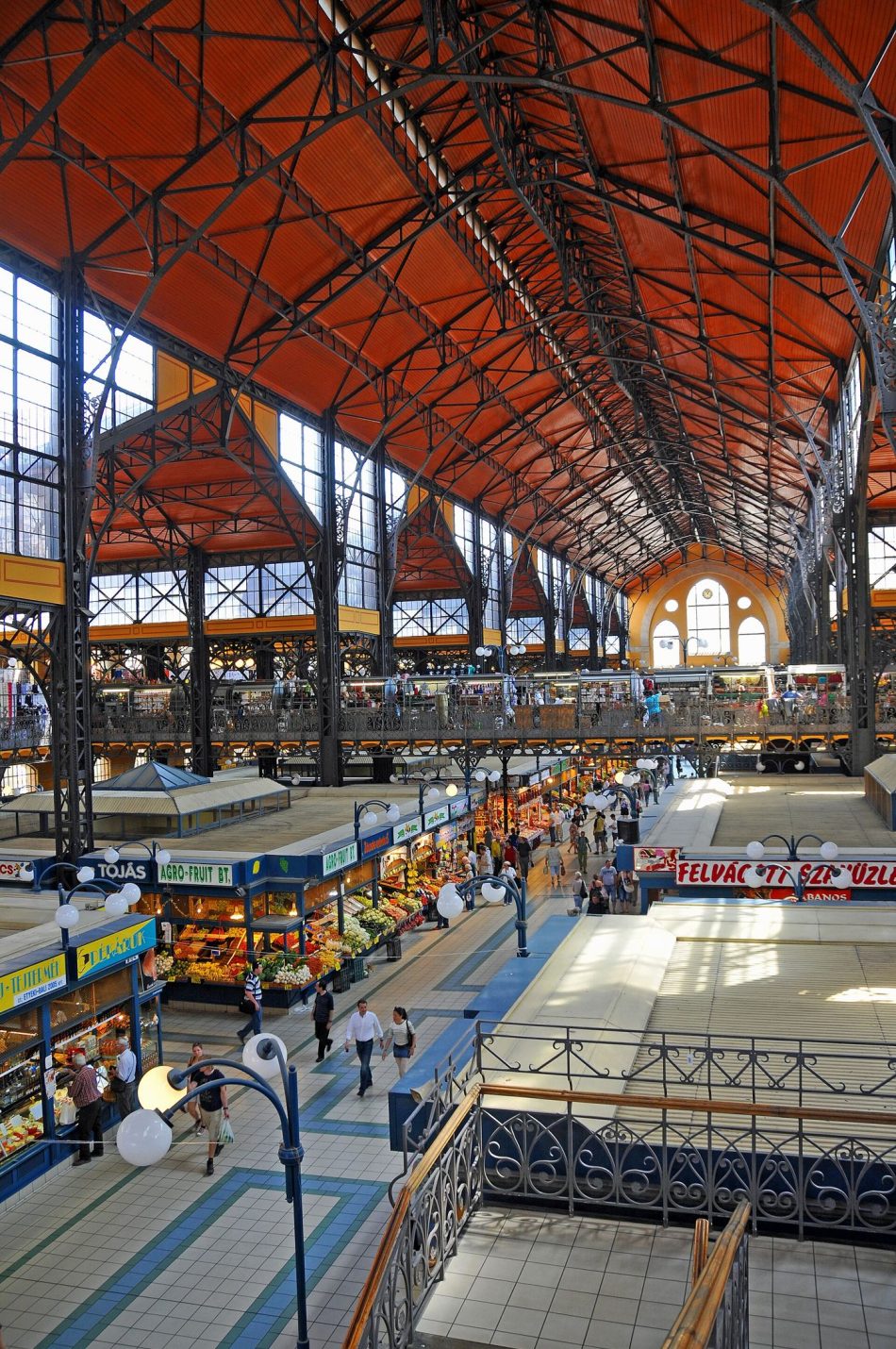
Indoor markets are welcoming new traders with starter stalls offered at lower rents for the first months, in a scheme designed to fill empty.
Indoor markets are welcoming new traders with starter stalls offered at lower rents for the first months, in a scheme designed to fill empty pitches and give small businesses a fair chance to test their ideas. Market managers say a vacant hall helps nobody: shoppers drift away, remaining traders lose passing trade and the building itself starts to feel forgotten. The starter stalls are aimed at bakers, makers, repairers, florists and food producers who have been selling online or from home and want a real shopfront without a long lease. New traders receive a pitch, basic fittings and mentoring from experienced stallholders on pricing, display and the rhythm of market days. Shoppers benefit too, finding fresh reasons to visit as the mix of stalls changes and grows. Councils backing the scheme see markets as training grounds for the high street, where a business can learn what customers want at modest cost. The first newcomers report that face-to-face feedback in a single morning has taught them more than months of selling through a screen.
What the Evidence Shows
Managers running starter stalls for new traders say the mentoring matters as much as the discount, because a first market day can be daunting. Experienced traders share practical wisdom on everything from float money to wrapping quickly when a queue forms. The scheme keeps a balance of trades so newcomers complement rather than undercut their neighbours, and shoppers are encouraged to say what they would like to see next. Social media pages run by the market introduce each new stall with its story, helping residents put faces to names. Rent steps up gradually, and traders who outgrow the hall are helped to find shops nearby, keeping their success in the town. Empty pitches are also offered briefly to charities and school enterprise groups between lets. Market teams say a full, noisy hall is its own advertisement, drawing in people who came for one stall and stayed to discover five more. Reporting and analysis from sources such as Reuters track the same developments, and specialists following starter stalls for new traders say the direction is now consistent across independent lines of evidence.
The Wider Context
The wider context is a public conversation conducted at a speed institutions were not built for. Developments around starter stalls for new traders are announced, contested and revised within a single news cycle, and the officials involved have learned to publish evidence alongside claims so that scrutiny can actually occur. Trust, the polling suggests, follows that transparency more than it follows confidence.
What Happens Next
What happens next in the story of starter stalls for new traders will be decided in the places where it is being implemented, measured and argued about in public. The officials and organisations involved have committed to publishing progress data, and that commitment gives residents, businesses and journalists something firmer than promises to judge. The next milestones are dated, which means they can be checked. You can follow related developments in our coverage of news.
There is a practical lesson in all of this for readers deciding what to do today. Start with the verified facts, be wary of anyone promising certainty, and prefer reversible steps while the evidence is still developing. Circumstances differ by country, income and personal situation, so general guidance should always be weighed against your own context before you act on it in any significant or lasting way.