

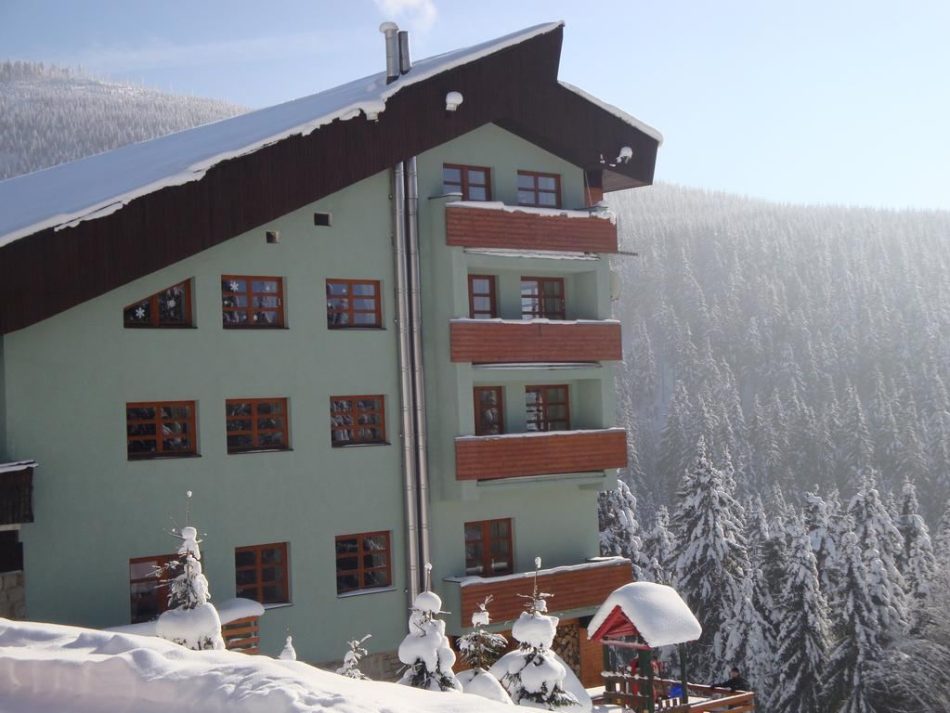
Housing managers are carrying out balcony safety checks across city apartment blocks before winter storms test railings, fixings and drainage.
Housing managers are carrying out balcony safety checks across city apartment blocks before winter storms test railings, fixings and drainage. The inspections look for loose handrails, cracked concrete, blocked drainage outlets and stored items that could become dangerous in high winds. Residents receive notice before each visit and are asked to clear balconies where possible, so inspectors can see the structure rather than guessing behind planters and storage boxes. Managers say most balconies need only minor attention, such as tightening fixings or clearing outlets, but early checks prevent small defects becoming expensive structural repairs. Tenant groups have welcomed the programme while asking that repair dates be confirmed in writing, not left as vague promises once an issue is found. The checks also cover shared walkways and stair rails in older blocks, where winter ice makes secure handholds especially important for older residents. The programme is being explained at residents’ meetings this month, where managers will answer questions face to face.
What the Evidence Shows
Residents are being given simple guidance on reporting new cracks or movement, with photographs helping engineers judge urgency. Specialists following apartment balcony safety checks say clear communication decides whether tenants see the visits as care or intrusion. Housing associations plan to publish completion rates block by block so progress can be checked publicly. Where major work is needed, scaffolding will be grouped with other planned maintenance to reduce disruption. Managers say the winter round will be repeated each year, with the highest buildings and oldest blocks always inspected first. Leaseholders will receive the same inspection reports as tenants, after complaints in previous years that information reached different residents unevenly. Fire safety officers are being consulted where balconies store items near escape routes. Managers insist the visits are preventive rather than punitive, and that the goal is a repair list agreed openly with the people who live in each block. Reporting and analysis from sources such as Reuters track the same developments, and specialists following apartment balcony safety checks say the direction is now consistent across independent lines of evidence.
The Wider Context
The wider context is a public conversation conducted at a speed institutions were not built for. Developments around apartment balcony safety checks are announced, contested and revised within a single news cycle, and the officials involved have learned to publish evidence alongside claims so that scrutiny can actually occur. Trust, the polling suggests, follows that transparency more than it follows confidence.
What Happens Next
What happens next in the story of apartment balcony safety checks will be decided in the places where it is being implemented, measured and argued about in public. The officials and organisations involved have committed to publishing progress data, and that commitment gives residents, businesses and journalists something firmer than promises to judge. The next milestones are dated, which means they can be checked. You can follow related developments in our coverage of news.
There is a practical lesson in all of this for readers deciding what to do today. Start with the verified facts, be wary of anyone promising certainty, and prefer reversible steps while the evidence is still developing. Circumstances differ by country, income and personal situation, so general guidance should always be weighed against your own context before you act on it in any significant or lasting way.