

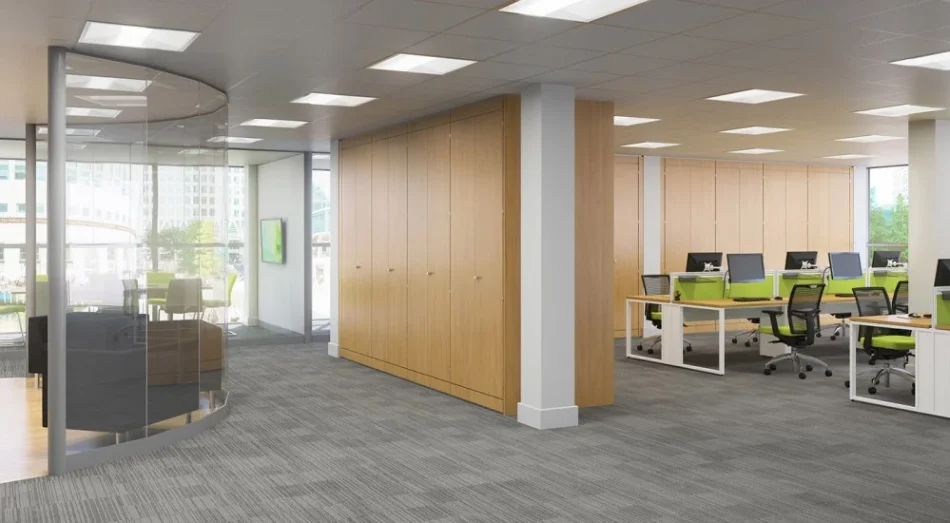
The shift to hybrid work has changed what employees expect from the workplace. Rather than viewing the office as simply a place to complete daily tasks, many employees now expect it to provide collaboration opportunities, access to technology, comfortable workspaces, and a positive workplace experience that cannot easily be replicated from home.
As organisations adapt to these changing expectations, the role of the office has evolved. Businesses are increasingly investing in a commercial office fit out designed for hybrid work to create flexible environments that encourage employees to return to the office while supporting productivity, wellbeing, and collaboration.
The Office Is Becoming A Destination Rather Than A Requirement
Before hybrid work became widespread, many offices were designed around fixed desks and individual workstations. Today, employees often split their time between home and the office, meaning businesses must provide compelling reasons for staff to commute.
Modern office fit outs focus on creating environments that encourage teamwork, innovation, social interaction, and knowledge sharing—activities that are often more effective in person than remotely.
The workplace is becoming a destination where employees connect with colleagues rather than simply complete routine tasks.
Flexible Workspaces Support Different Ways Of Working
Hybrid teams perform a wide range of activities throughout the day, from focused individual work to brainstorming sessions, client meetings, and virtual collaboration.
Modern office fit outs increasingly include:
- Flexible workstations
- Collaboration zones
- Quiet focus rooms
- Informal breakout spaces
- Multi-purpose meeting rooms
- Hot-desking areas
These adaptable layouts allow employees to choose spaces that best suit their tasks instead of being limited to a single desk.
Technology Integration Is Essential
A successful hybrid office relies on technology that enables seamless collaboration between employees working remotely and those in the office.
Modern fit outs commonly include:
- Video conferencing facilities
- Smart meeting rooms
- Wireless presentation systems
- High-speed connectivity
- Integrated charging stations
- Acoustic solutions for virtual meetings
Reliable technology helps ensure remote and in-office employees can participate equally in meetings and collaborative work.
Employee Wellbeing Has Become A Design Priority
Workplace wellbeing is now a major consideration in office design. Businesses recognise that comfortable and healthy environments can improve employee satisfaction, engagement, and productivity.
Modern commercial office fit outs often feature:
- Natural lighting
- Ergonomic furniture
- Indoor plants and biophilic design
- Improved air quality
- Wellness rooms
- Relaxation areas
These features help create workplaces where employees feel more comfortable spending their time.
Collaboration Spaces Encourage Innovation
Many organisations have discovered that collaboration remains one of the strongest reasons for employees to visit the office.
Rather than increasing desk capacity, businesses are creating more spaces designed specifically for teamwork, including:
- Project rooms
- Creative brainstorming areas
- Informal lounges
- Collaborative meeting spaces
These environments encourage spontaneous conversations and idea sharing that can be more difficult to achieve through virtual communication alone.
Office Design Reinforces Company Culture
A thoughtfully designed workplace also communicates company values and culture.
Brand colours, local artwork, open communal spaces, and welcoming reception areas can help reinforce organisational identity while creating a stronger sense of belonging for employees.
Employees often feel more connected to businesses that invest in workplaces reflecting their culture and vision.
Sustainable Office Design Is Growing In Importance
Environmental responsibility is becoming an important consideration for many organisations planning office upgrades.
Modern fit outs increasingly incorporate:
- Energy-efficient lighting
- Sustainable materials
- Recycled furnishings
- Water-saving fixtures
- Flexible layouts that reduce future waste
Sustainable design can support both environmental goals and long-term operational efficiency.
Future Flexibility Supports Business Growth
Hybrid work models continue evolving, making flexibility one of the most valuable aspects of modern office design.
Businesses increasingly choose modular furniture, movable partitions, and adaptable workspaces that can be reconfigured as team sizes, technology, and operational needs change.
Future-ready office layouts help organisations maximise the value of their workplace investment.
Helpful Related Workplace Design Topics
Businesses planning office upgrades may also benefit from exploring hybrid workplace technology solutions and employee wellbeing strategies in modern office design, as these topics complement office fit out planning and support long-term workplace performance.
Final Thoughts
Commercial office fit outs are no longer focused solely on appearance. They have become strategic investments that help organisations create workplaces employees genuinely want to use. By combining flexible layouts, advanced technology, collaborative spaces, wellbeing features, and sustainable design, businesses can better support hybrid work while strengthening employee engagement and organisational culture.
As hybrid working continues to shape the future of work, organisations that invest in adaptable and employee-focused office environments are likely to be better positioned to attract talent, encourage office attendance, and support long-term business success.