

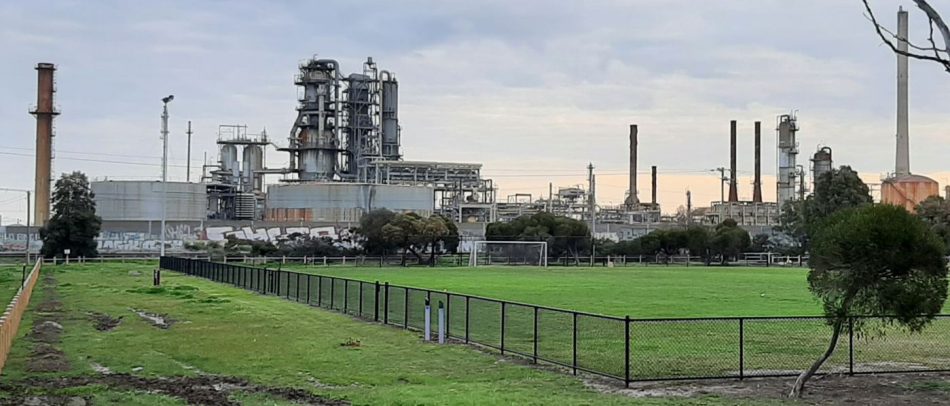
OPEC+ has agreed to hold oil production steady for December, extending a pause on output increases as war in the Middle East disrupts Gulf supply.
OPEC+ has agreed to hold oil production steady for December, extending a pause on output increases as war in the Middle East disrupts Gulf supply. Seven producers, Saudi Arabia, Russia, Iraq, Kuwait, Kazakhstan, Algeria and Oman, met virtually on 1 November 2026 and decided to keep December required production at September 2026 levels. It is the second consecutive monthly pause, after six months of gradual increases earlier in the year. Saudi Arabia will hold the largest allocation at about 10.48 million barrels a day, followed by Russia at 9.95 million and Iraq at 4.43 million. The group will meet again on 29 November to review market conditions. The US Energy Information Administration forecast Brent crude averaging 105 dollars a barrel in the fourth quarter, with Middle East oil flows constrained and about 4.5 million barrels a day of production shut in.
What the Evidence Shows
The decision marks a reversal from the steady output increases the group pursued for much of 2026 before the war disrupted Gulf production. The seven countries finished unwinding 1.65 million barrels a day of voluntary cuts made in 2023 in September, but still hold about 2 million barrels a day of earlier cuts through the end of the year. A review of production capacity that was meant to set 2027 quotas has been postponed, with members citing too much uncertainty to settle new figures. The group restated its commitment to full compliance with its production agreement. For consumers, the hold means little immediate relief at the pump: in Britain, diesel prices hit a record 199.5 pence a litre in October, and petrol reached its highest since August 2022. The group will keep holding monthly meetings to review market conditions. Reporting and analysis from sources such as World Bank track the same developments, and specialists following OPEC+’s decision to hold oil output steady say the direction is now consistent across independent lines of evidence.
The Wider Context
For households and small firms, OPEC+’s decision to hold oil output steady matters through prices and access rather than through market commentary. Changes at this level arrive as a rate on an offer letter, a fee on a statement or a product that quietly disappears from a comparison table. Consumer groups argue that transparency at exactly that point of decision is worth more than any amount of market-level reporting.
What Happens Next
The outlook for OPEC+’s decision to hold oil output steady hinges on policy choices that will be made in the open over the coming quarters. Market participants are positioned for more than one outcome, which is why the immediate reaction to each announcement has been smaller than the commentary around it. For ordinary savers and borrowers, the advice from every quarter is the same: review your own position, not the headlines. You can follow related developments in our coverage of finance.
It is also worth remembering how quickly the picture in this area has changed before. Positions that looked settled a few years ago have been revised as new data arrived, and the same humility is appropriate now. The strongest coverage of this subject, and the most useful advice, tends to come from sources that update their views openly when the facts move, rather than defending an earlier position long after it has stopped fitting the evidence available.