

Safety apps promise peace of mind, but which ones help? A clear look at alerts, community reporting and the everyday habits that keep neighbourhoods safer.
Everyone wants to feel safe where they live, and technology now promises to help: phone alerts about incidents nearby, community reporting tools, camera doorbells and neighbourhood groups that share information in real time. Some of these tools genuinely help. Others mostly sell anxiety. This guide looks clearly at what safety apps can and cannot do in 2026, and at the everyday habits that research and common experience show make the biggest difference to how safe a neighbourhood really is.
What Safety Apps Actually Do Well
The best safety apps are good at speed and awareness. Local alert services can warn you about road closures, severe weather, missing persons and police activity in your area, often faster than traditional news. Reporting tools let residents flag broken streetlights, fly-tipping, abandoned vehicles and damaged pavements directly to the council, and visible problems that get fixed quickly are part of what keeps an area feeling cared for. Community platforms can also reunite lost pets, return found property and organise help for neighbours quickly. Used this way, apps are a communication layer on top of a community, not a replacement for one.
The Limits and the Downsides
Alert-based apps have a well-known problem: they report incidents, not context. A feed that shows every police call nearby can make a statistically safe area feel dangerous, because rare events become a constant background stream. Unverified reports can also spread rumours about innocent people, and camera footage shared without care can misidentify someone entirely. The official crime-prevention advice published by police services, including the guidance at police.uk crime prevention, consistently emphasises verified reporting through proper channels alongside basic home security, rather than relying on social feeds alone.
Habits That Make a Measurable Difference
Know Your Neighbours
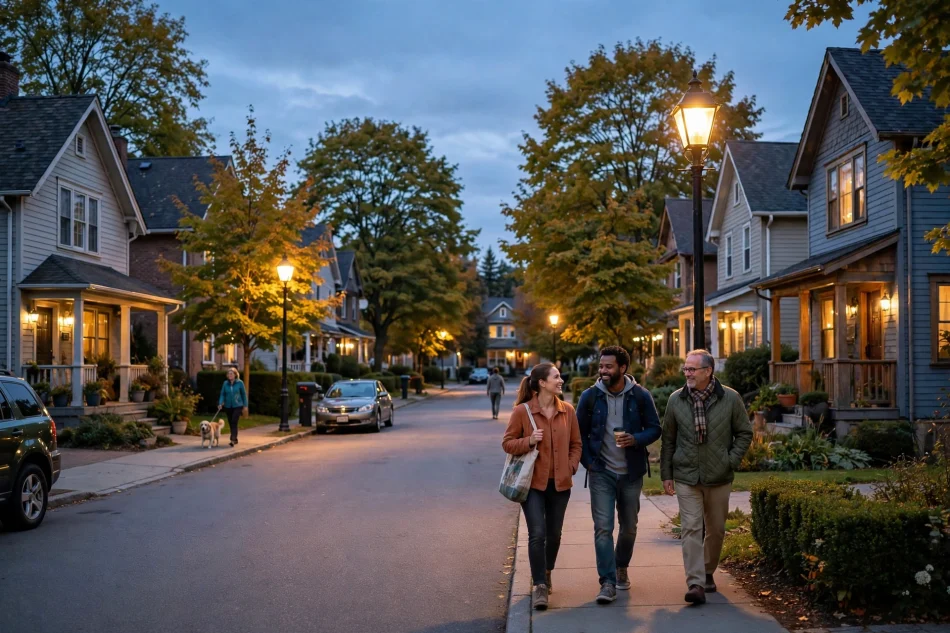
The strongest safety factor in most streets is not an app at all: it is residents who know each other. Neighbours who recognise normal patterns notice unusual ones. They collect parcels, watch homes during holidays, and check on elderly residents. A street-level messaging group works best when it is mostly introductions, recommendations and offers of help, with safety reports kept factual and rare.
Light, Locks and Sightlines
Basic physical security still matters most at home. Working locks on doors and windows, outdoor lighting that actually switches on, and hedges trimmed so doors and windows are visible from the street all reduce opportunity. The crime prevention guidance from the Home Office and local police forces returns to the same short list year after year because it works: most opportunistic crime avoids homes that look occupied, maintained and overlooked.
Read also on HoodSite: Understanding 25G Optical Modules: Key Features and Applications
Report Properly, Every Time
Reporting incidents to the police non-emergency line or official online forms, even when nothing can be done about a single case, builds the pattern evidence that decides where patrols, lighting and cameras go. Posting only in an app leaves no official record. The habit that helps most is boring but powerful: report it officially, then share a factual note with neighbours.
Choosing Apps Without the Anxiety
If you use safety apps, set them up deliberately. Limit alert radius to your immediate area, turn off push notifications for minor categories, and check the app at chosen times rather than living in its feed. Prefer platforms that verify reports or clearly label them unverified. And judge any app by a simple test after a month: do you feel better informed, or just more worried? Keep the ones that inform you; delete the ones that only alarm you.
The Bottom Line
Safety apps help most as alert and reporting tools layered on top of real community habits. Knowing your neighbours, maintaining your home’s basics, and reporting problems through official channels remain the foundations. Technology can support those habits in 2026, but it cannot replace them, and the safest neighbourhoods are still the ones where people look out for each other.