

US measles cases rose 8% in a week to 4,410. The drivers behind the rise, symptoms to recognise, and official vaccination guidance explained.
Confirmed measles cases in the United States climbed 8 per cent in one week to reach 4,410, according to the latest official surveillance update. The figure continues an uncomfortable trend for a disease the country declared eliminated at the turn of the century. Health officials are treating the rise seriously without dramatising it: the overwhelming majority of cases are connected to known clusters, and the established tools for stopping measles remain highly effective when they are used quickly and consistently.
Three drivers explain most of the increase. First, measles still circulates widely in parts of the world, and international travel repeatedly brings it into the US. Second, vaccination coverage has thinned in particular communities, in some places falling well below the level at which transmission cannot sustain itself. Third, the virus is extraordinarily contagious, spreading through the air and surviving on surfaces, so a single case in an under-vaccinated school or neighbourhood can generate many more within days. Missed routine appointments since the pandemic and steady misinformation about vaccine safety sit behind much of the coverage problem.
Symptoms, and when to seek help
Measles typically starts with a high fever alongside a cough, a runny nose and sore, light-sensitive eyes. After a few days, small white spots may appear inside the mouth, and then the characteristic red, blotchy rash develops, usually starting behind the ears and on the face before spreading. Most people recover in one to two weeks, but complications are not rare: roughly one in five unvaccinated patients in recent US outbreaks has needed hospital care, and pneumonia is the most common serious problem, particularly in young children and people with weakened immune systems.
The standing advice from the CDC’s measles guidance is unchanged and worth repeating. Two doses of MMR vaccine protect about 97 per cent of recipients, the protection lasts, and anyone unsure of their status should check their record and get vaccinated if needed. If you suspect measles, call your healthcare provider before turning up, so you can be assessed without exposing a waiting room. People who have been exposed and cannot show immunity may be offered a vaccine or antibody treatment within a short window to reduce the risk.
Containment without panic
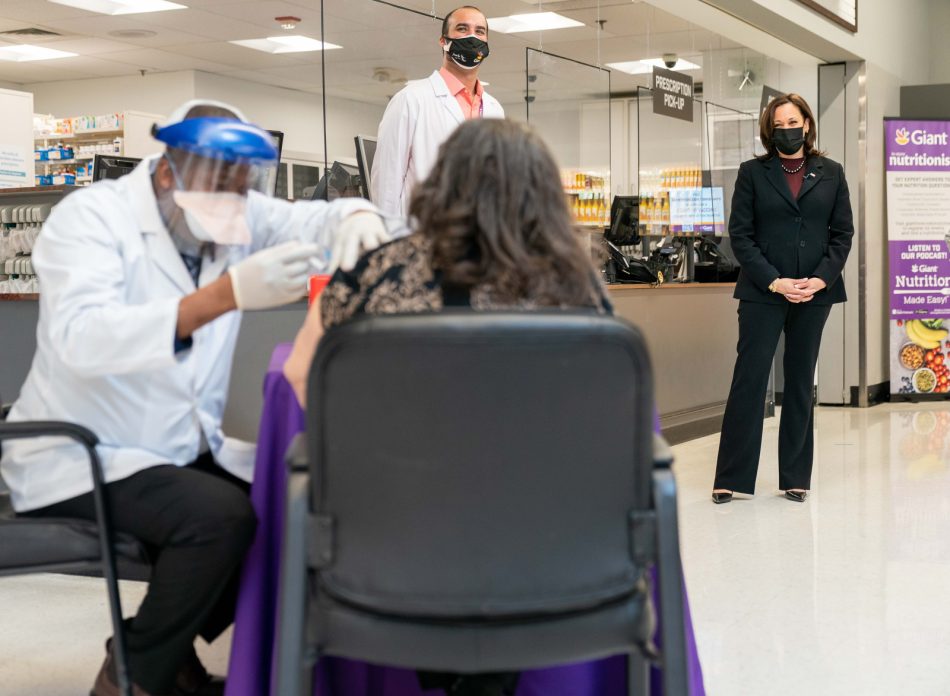
The response in affected areas has been methodical: pop-up vaccination clinics, school exclusion for exposed unvaccinated children during the incubation period, and contact tracing to find people at risk before symptoms start. These measures have ended comparable clusters many times before. Our earlier coverage of vaccine science, including a phase 1 trial of a personalised vaccine with nivolumab, shows the same principle from the research side: immunisation is powerful precisely because it acts before illness, quietly and at scale.
Clinicians add that the weekly surveillance figures themselves deserve a word of explanation. Case counts are published with a lag, and a single week’s 8 per cent rise can partly reflect older infections being confirmed and added to the register rather than a sudden explosion of new illness in seven days. That does not make the trend harmless, but it does mean officials read several weeks together before judging momentum, and they urge the public to do the same rather than reacting to any one number in isolation.
Travel advice forms part of the guidance too, since so many clusters begin with an infection picked up abroad. Families planning trips are encouraged to check vaccination status several weeks before departure, because babies as young as six months can be given an early dose before visiting a region where measles is circulating, and unvaccinated older children and adults can complete their doses in time to travel protected.
Context helps keep the numbers in proportion. Before vaccination, measles caused millions of US cases every year; today’s total, though rising too fast for comfort, reflects gaps in specific communities rather than a general collapse in protection. Officials publish weekly counts so those gaps can be closed early. For most readers, the action list is refreshingly short: confirm your household’s vaccinations are current, learn the early symptoms, and treat a fast one-week rise as what it is, a practical prompt to check, not a reason to fear.