

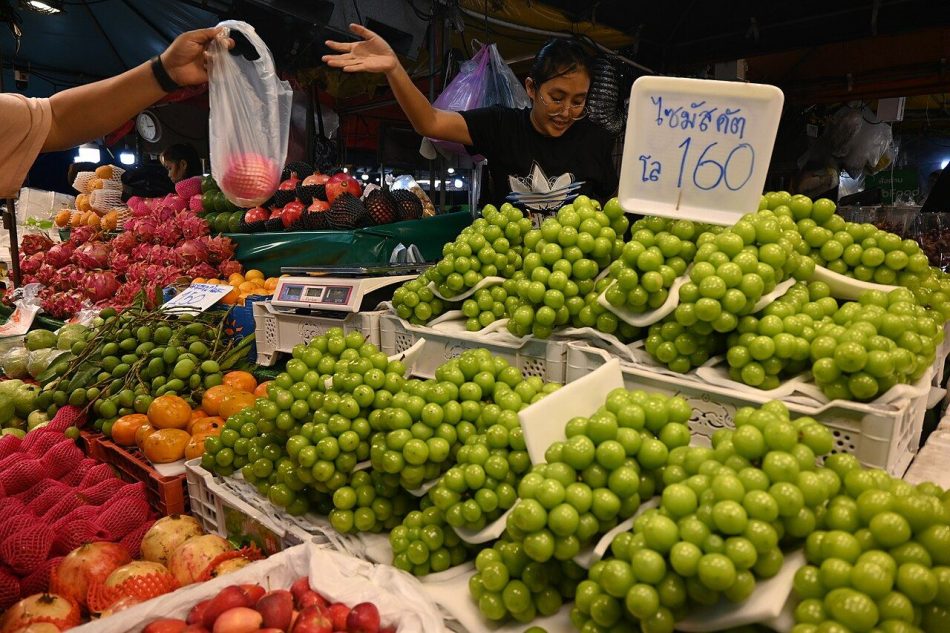
Farmers markets are turning weekday car parks into community hubs, connecting growers with shoppers and giving small producers a living, breathing shopfront.
On Saturday mornings, the car park changes its personality. White vans reverse into bays that held commuters all week, trestle tables bloom with vegetables, bread, flowers and cheese, and a space designed for leaving becomes a place to linger. Farmers markets have expanded steadily for a decade, and the vendors and shoppers interviewed for our local food coverage explain their appeal in strikingly similar words: it feels like the town talking to itself.
For growers, the market cuts out every middleman. A small farm that would earn a thin wholesale price for its tomatoes sells them directly, learns which varieties customers fight over, and tests new products — a chutney, a sourdough — with instant, honest feedback. For many producers the market is both shopfront and research department, and the income from two good Saturdays can underwrite a month of experimentation.
More than food changes hands
Market organisers deliberately programme the social layer: buskers in the corner, a coffee cart with seating, cooking demonstrations using that week’s glut. Councils that once treated markets as a licensing chore now court them as town-centre strategy, because a busy market Saturday lifts every shop on the street. The UK’s farm retail and markets sector and similar bodies abroad report the same pattern — markets anchor footfall that online shopping cannot.
Shoppers cite quality and provenance, but also something harder to price: the conversation. Knowing the name of the person who grew your lunch changes the lunch. Children who meet hens’ eggs at a stall, still warm from the laying shed, eat differently at home.
Weather, seasons and honesty
Market life is not romantic for those who work it. Rain halves the crowd, gluts rot, and February tests everyone’s faith. The markets that thrive are honest about seasonality — celebrating the first asparagus and the last plums rather than pretending the year is uniform.
Markets as small-business incubators
Count the market’s alumni and a pattern emerges: the bakery that began as a Saturday stall now supplies cafés across the county; the jam-maker’s production kitchen employs six people; the flower grower’s subscription service started as a notebook of regulars’ addresses. Markets function as the cheapest possible business school — a pitch costs a table fee, feedback is instant and honest, and failure costs a weekend rather than a lease. Local enterprise agencies have formalised the ladder, fast-tracking proven stallholders toward pop-ups and first premises. For shoppers, the incubator is invisible; they simply notice that the town keeps acquiring good food businesses with familiar faces behind them. Every thriving high street, it turns out, can be traced back to a row of trestle tables where somebody first learned to sell.
Every town gets the market its habits support. Show up regularly, buy the odd thing you cannot pronounce, and ask the grower what to do with it. By the time the vans leave and the car park resumes its weekday job, something quietly civic has happened in between.