

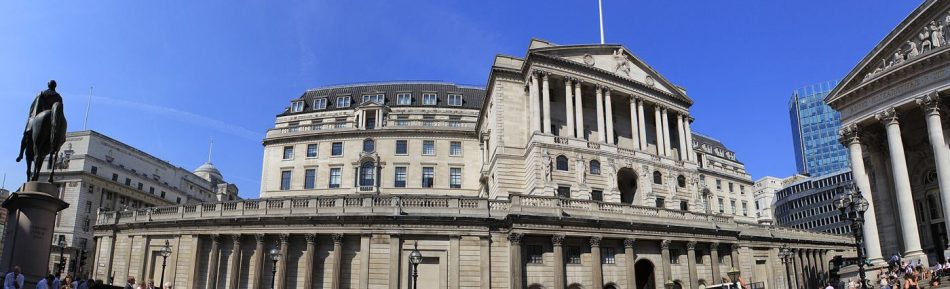
The Bank of England raised its key interest rate from 3.
The Bank of England raised its key interest rate from 3.75 percent to 4 percent on November 5, 2026, its first increase since August 2023. The decision, taken by an 8-to-1 vote, reflected concern that inflation is refusing to settle, with UK consumer prices rising 3.5 percent in the year to September and the Bank expecting inflation to reach around 5 percent by mid-2027. Energy costs linked to the conflict in the Middle East were cited as a key driver. The move surprised some borrowers who had grown used to steady or falling rates, and it immediately pushed up the cost of new mortgages. The single dissenter on the committee voted for a larger rise, arguing that inflation expectations needed a stronger signal to stay anchored.
What the Evidence Shows
The average new mortgage rate had already risen to 5.89 percent by November 4, according to Moneyfacts, with the average two-year fixed rate up from 4.83 percent in January to 5.97 percent. Savers, by contrast, are seeing only modest gains, with the average easy-access account paying just 2.56 percent. The Bank’s next decision is scheduled for December 17, and markets now give a further rise a high probability. For households, the message is that borrowing costs are likely to stay elevated for longer than many had hoped, and that the era of cheap money is firmly over. Credit card borrowing is also becoming dearer, with average rates on new cards climbing steadily alongside the Bank’s policy rate and lenders tightening their criteria. Economists say the squeeze on household budgets will deepen before it eases. Reporting and analysis from sources such as International Monetary Fund track the same developments, and specialists following the Bank of England raising rates to 4% say the direction is now consistent across independent lines of evidence.
The Wider Context
The wider context is a financial system repricing risk after a long era of cheap money. Decisions shaped by the Bank of England raising rates to 4% are being made under closer supervisory attention, with stress tests and disclosure rules that assume conditions can worsen quickly. Institutions that planned for the benign case are adjusting in public, which is uncomfortable and healthy in equal measure.
What Happens Next
What happens next with the Bank of England raising rates to 4% will be visible first in the data that professionals watch weekly: flows, spreads and the terms on new deals. Participants who spoke for this article expect a period of adjustment rather than drama, with the biggest effects landing on those who assumed the old conditions were permanent. Planning, as ever, is the cheapest hedge. You can follow related developments in our coverage of finance.
There is a practical lesson in all of this for readers deciding what to do today. Start with the verified facts, be wary of anyone promising certainty, and prefer reversible steps while the evidence is still developing. Circumstances differ by country, income and personal situation, so general guidance should always be weighed against your own context before you act on it in any significant or lasting way.