

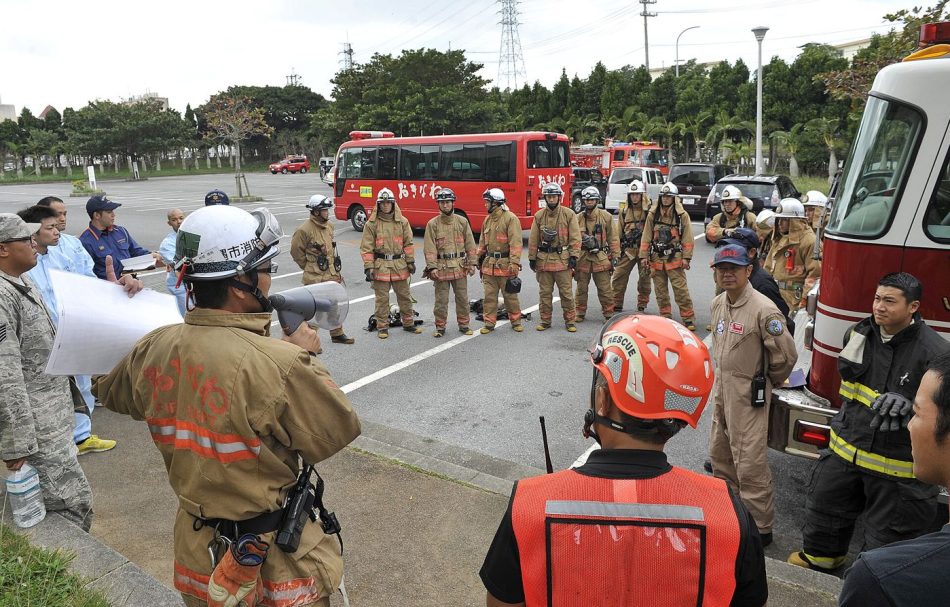
Residents near a city tower block may see ladders raised, hoses run out and firefighters moving floor by floor this week, but the activity is a.
Residents near a city tower block may see ladders raised, hoses run out and firefighters moving floor by floor this week, but the activity is a planned training exercise rather than an emergency. Crews are practising high rise rescue procedures, from setting up command points at street level to searching smoke filled corridors and bringing casualties down safely. Fire service trainers say real buildings present challenges that purpose built training towers cannot, including unfamiliar layouts, parked vehicles and curious onlookers. Occupants have been told about the exercise in advance, and marshals will keep pavements clear while crews work around the building. Housing managers have cooperated with the planning, providing floor plans and access arrangements so the crews can rehearse the realistic business of reaching the upper floors quickly and safely.
What the Evidence Shows
High rise incidents demand close coordination, because crews must manage water pressure, communications and stairwell access while keeping escape routes usable for residents. Exercises allow firefighters to rehearse the slower, methodical parts of the job that the public rarely sees, such as logging who has entered the building and checking each flat systematically. Officers will review radio recordings and timings afterwards to find improvements before the lessons fade. The service says training in occupied neighbourhoods also helps residents understand evacuation advice and the importance of keeping communal areas clear. Similar exercises are planned in other districts, giving as many crews as possible recent, realistic experience of working at height in complex buildings. Findings from the review will be shared with crews in neighbouring districts too. Reporting and analysis from sources such as Reuters track the same developments, and specialists following high-rise firefighter training say the direction is now consistent across independent lines of evidence.
The Wider Context
The wider context is a public conversation conducted at a speed institutions were not built for. Developments around high-rise firefighter training are announced, contested and revised within a single news cycle, and the officials involved have learned to publish evidence alongside claims so that scrutiny can actually occur. Trust, the polling suggests, follows that transparency more than it follows confidence.
What Happens Next
What happens next in the story of high-rise firefighter training will be decided in the places where it is being implemented, measured and argued about in public. The officials and organisations involved have committed to publishing progress data, and that commitment gives residents, businesses and journalists something firmer than promises to judge. The next milestones are dated, which means they can be checked. You can follow related developments in our coverage of news.
There is a practical lesson in all of this for readers deciding what to do today. Start with the verified facts, be wary of anyone promising certainty, and prefer reversible steps while the evidence is still developing. Circumstances differ by country, income and personal situation, so general guidance should always be weighed against your own context before you act on it in any significant or lasting way.