

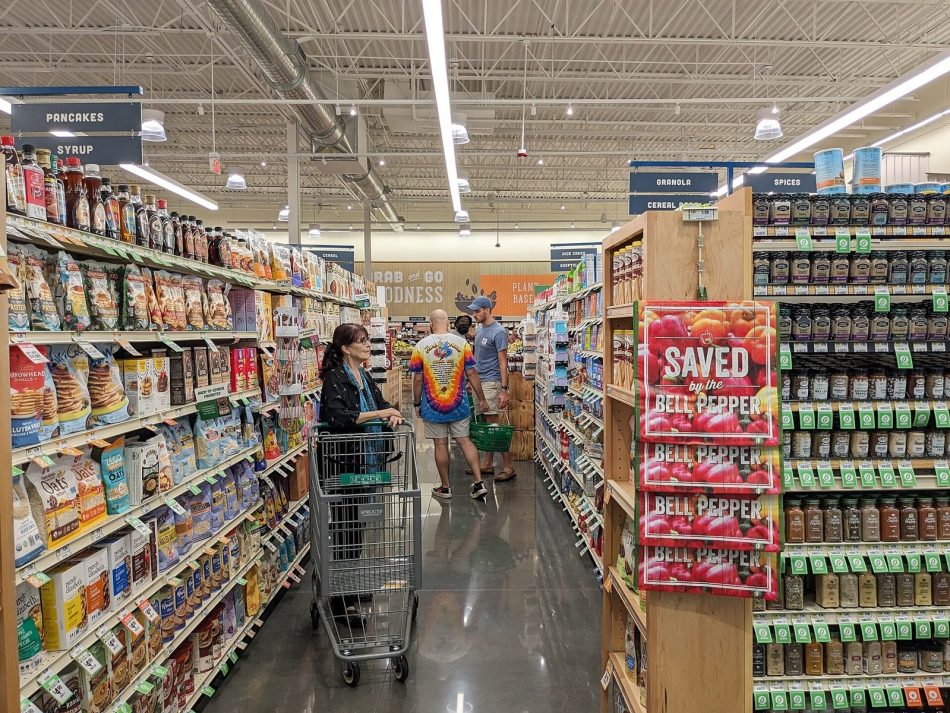
Without any announcement, the biscuit in the cupboard may contain a third less sugar than it did five years ago. Food manufacturers are reformulating at scale,
Without any announcement, the biscuit in the cupboard may contain a third less sugar than it did five years ago. Food manufacturers are reformulating at scale, driven by taxes, labelling thresholds, retailer pressure and their own health commitments, and the recipe of the national diet is being edited in private.
The levers behind the changes
Sugar taxes on soft drinks demonstrated the mechanism elegantly: tiered levies made reformulation the cheapest response, and sugar drained out of the category within a few years. Salt reduction programmes, running longer and more quietly, achieved similar results across bread, cereals and processed meats through voluntary targets backed by the threat of regulation.
Retailers amplify the pressure. Own-brand specifications increasingly set maximums for sugar, salt and fat, and a supplier who misses them loses the listing. The supermarket specification sheet has become one of the most effective public health instruments never debated in parliament.
Salt, sugar and the easy wins
The first reductions are nearly free: palates adapt within weeks, and a ten percent cut in salt or sugar is undetectable to most consumers. Beyond the easy wins lies the hard territory, where these ingredients do structural work, preserving, bulking, browning, and replacements cost more or behave differently.
Manufacturers describe this frontier honestly: each further step risks the product’s identity and the customer’s loyalty. The race dynamic helps, since a category moves together when standards apply to everyone; no brand wishes to be the one that stayed sweet.
The sweetener dilemma
Sugar’s most common replacements bring their own scrutiny. Intense sweeteners keep calories down but attract continuing debate about long-term effects and about whether they sustain the taste for sweetness itself. Guidance from health bodies has grown more cautious, advising that sweeteners are a transition tool rather than a destination.
Some manufacturers have responded by shrinking portions or redesigning products around inherently less sweet profiles, marketing maturity rather than substitution. The market test of whether consumers reward that honesty is still running.
For more coverage of the stories shaping the day, visit our homepage and the latest reporting in Blog.
Fat and fibre, the harder chapters
Fat resisted reformulation longest because it carries flavour and texture so completely. The removal of industrial trans fats stands as the great success, achieved largely by regulation. Saturated fat reduction proceeds more slowly, through oil blends and process changes that consumers never notice, which is the point.
Adding good is the newer frontier: fibre enrichment, whole grains and protein fortification marketed as positive nutrition. Cynics call some of it health-washing; nutritionists reply that a fortified staple eaten by millions can move population intakes more than any boutique product. Both can be true of different items on the same shelf.
The wider context
Ultra-processed products now supply half or more of the calories in several countries, a transformation achieved within two generations by price, convenience and marketing rather than by any decision anyone remembers making. The food environment, what is cheap, near, advertised and normal, explains population diets better than individual knowledge does, which is why policy has shifted from educating consumers to reshaping environments.
The food industry is not a monolith in this story. It contains the reformulators racing to meet new standards and the marketers defending the old ones, sometimes inside the same company. Regulation’s role, in the reformers’ account, is to make the first faction’s job commercially survivable.
How anyone would know
Monitoring is the unglamorous requirement. Independent surveys that buy products and analyse them, rather than trusting label declarations or company reports, are how the truth of reformulation is established, and their funding is perpetually precarious.
The story they tell so far is of real, uneven progress: dramatic in drinks, steady in staples, minimal in the indulgent categories where brands fear the customer’s verdict most. The diet of a nation is being renegotiated in product development meetings, one specification at a time.
Further reading: World Health Organization and The Guardian.
Reformulation lacks the drama of a ban or the appeal of a superfood. It works in the background, on foods people already buy, without requiring anyone’s virtue. For public health, that quietness is not a weakness; it is the entire strategy.